Your Reliable Lavender Essential Oil Partner
WJOIL lavender essential oil can help you to reduce acne, even out skin tone, fade fine lines, and improve hair health and overall skin care. What’s more, it has a stable demand and high consumer recognition globally. Whether used as a single essential oil, or as a core raw material for compound fragrances and product development, it can provide significant competitive advantages for your brand.
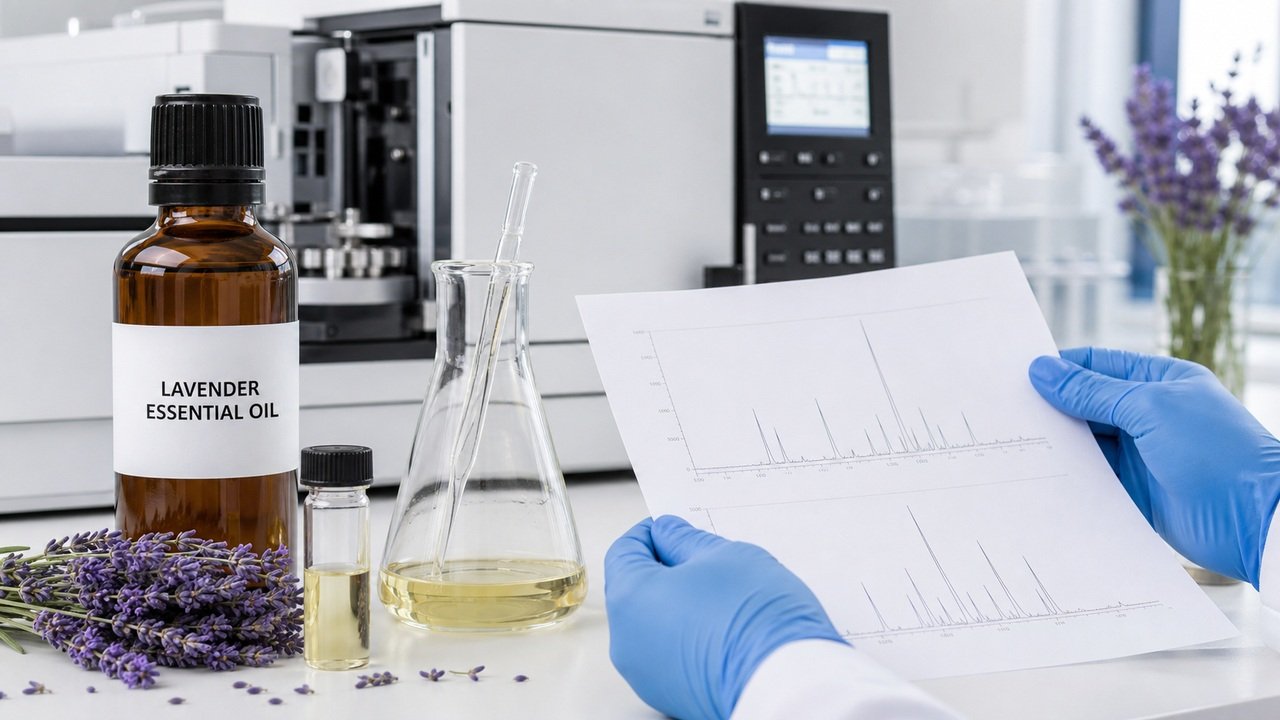
We strictly adhere to using raw materials from high-quality production areas and standardized production processes. Each batch of essential oils undergoes GC-MS component analysis and other quality testing to give you consistent core active ingredient content, aroma performance, and product quality.
In addition, we support OEM, ODM, private label and customized compounding services. WJOIL can provide a one-stop solution from raw material procurement to product development according to your target market, product positioning, and regulatory requirements.
Choosing our lavender essential oil is choosing a reliable, professional, and sustainable partner.
Lavender Essential Oil Product by Features
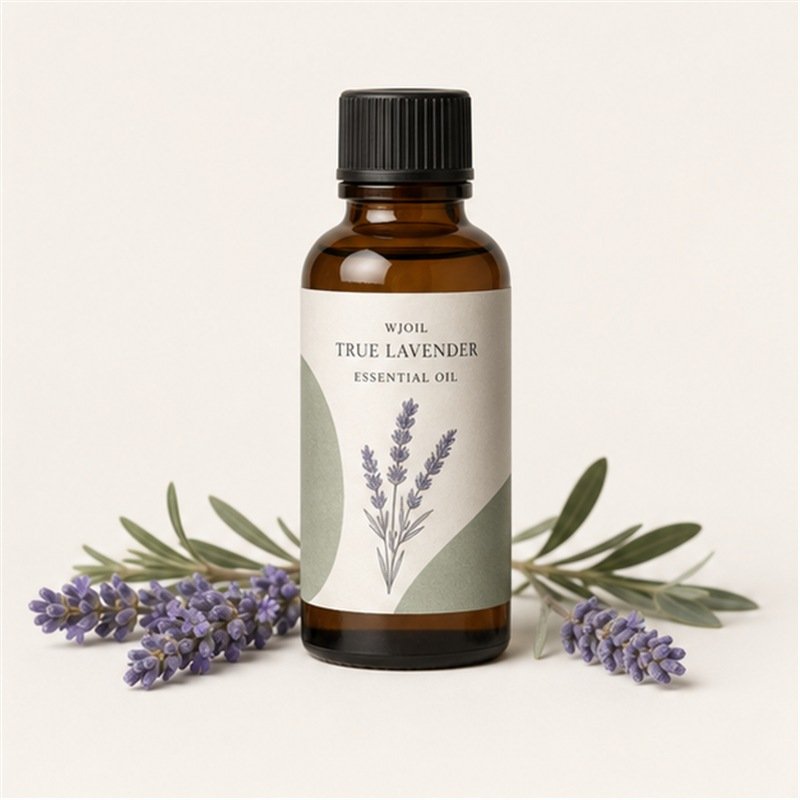
With gentle aroma and stable pure ingredients, it is suitable for use in aromatherapy products, high-end skin care products, massage oils, and essential oil compound products.
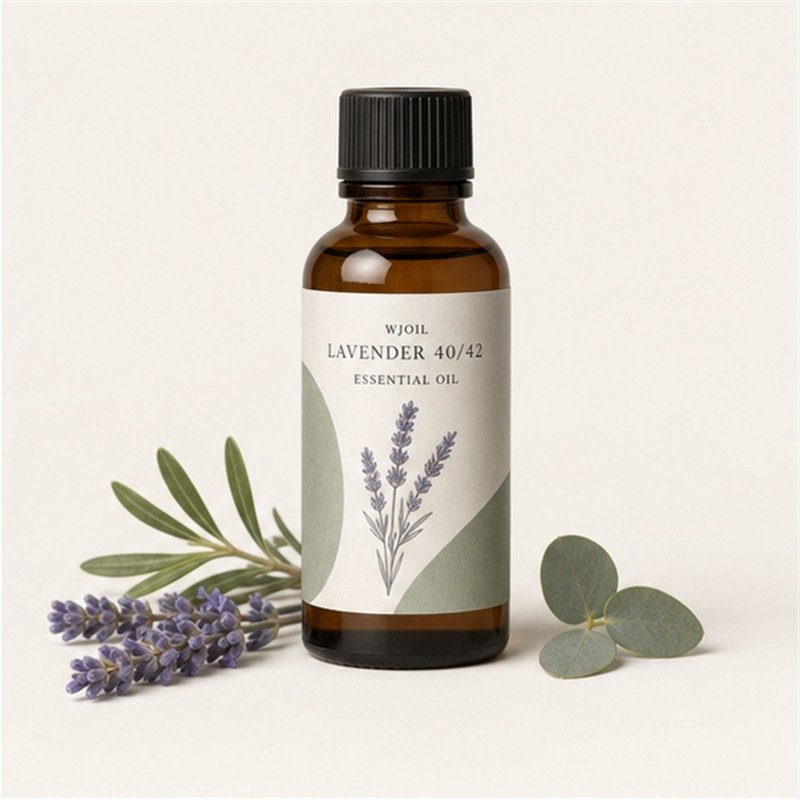
Through professional blending techniques, the fragrance and ingredients of each batch of products are ensured to be consistent, suitable for industrial and large-scale production.
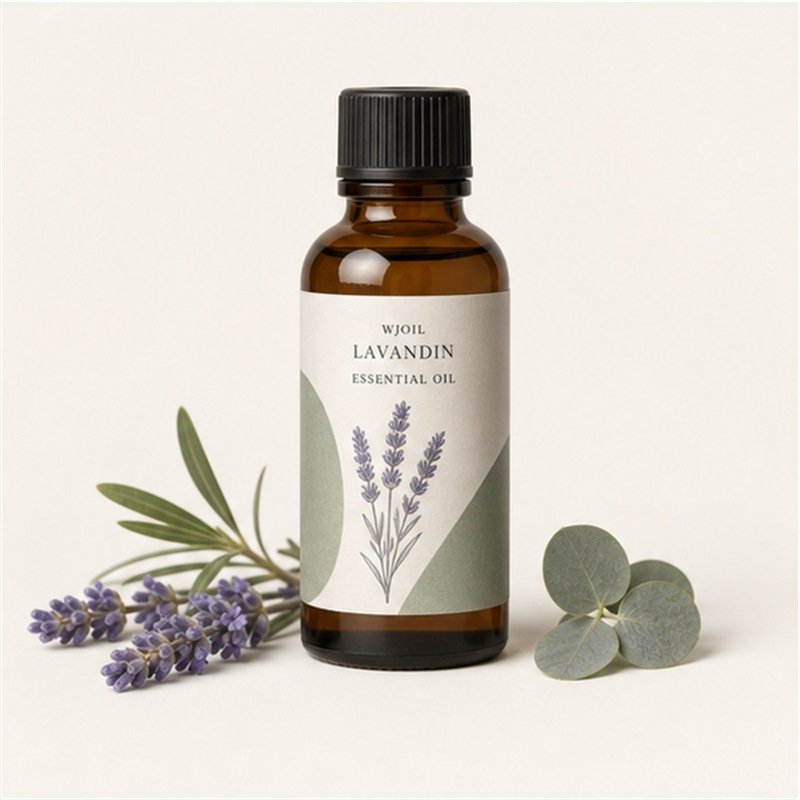
Due to its strong fragrance-enhancing ability and excellent aroma coverage effect, it is often used in laundry detergents, fabric softeners, cleaning agents, air fresheners and so on.
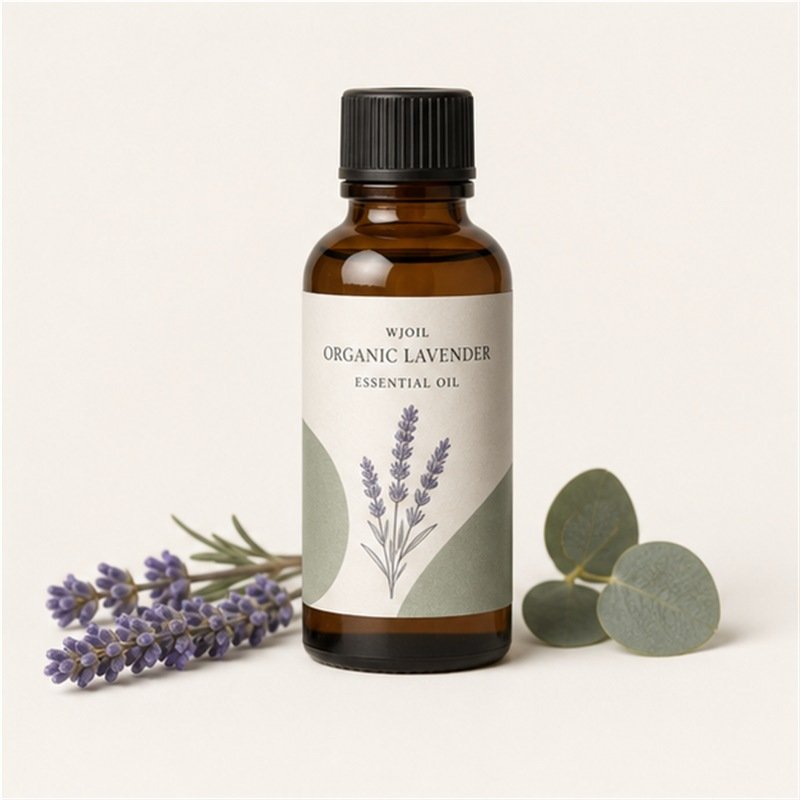
The entire process adheres to the organic standard management system from planting, harvesting to distillation processing. You can directly use it to develop organic and natural product lines.
High Market Acceptance
Lavender essential oil is one of the most maturely applied and highly recognized plant essential oils in the global essential oil market. Whether in skincare products, body care, hair care, fragrance products, home fragrance, or wellness products, lavender consistently maintains a stable and continuously growing market demand.
WJOIL lavender essential oil has a gentle, balanced and popular aroma style. At the same time, it can be used as a floral base essential oil and be combined with citrus, woody, and herbal essential oils to create hundreds of fragrance types. This means that no matter if facing young consumers, household users, or high-end skincare groups, you can develop products with wide appeal and easy market acceptance.
Combining Functionality with Fragrance
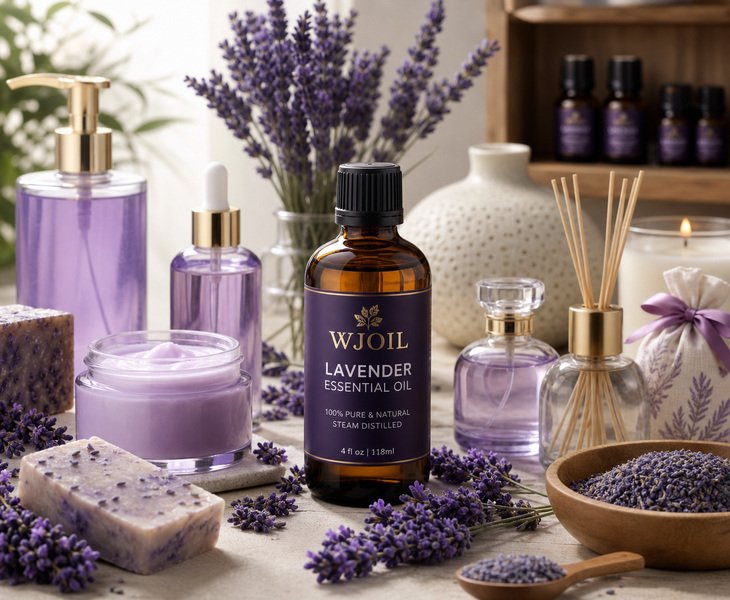
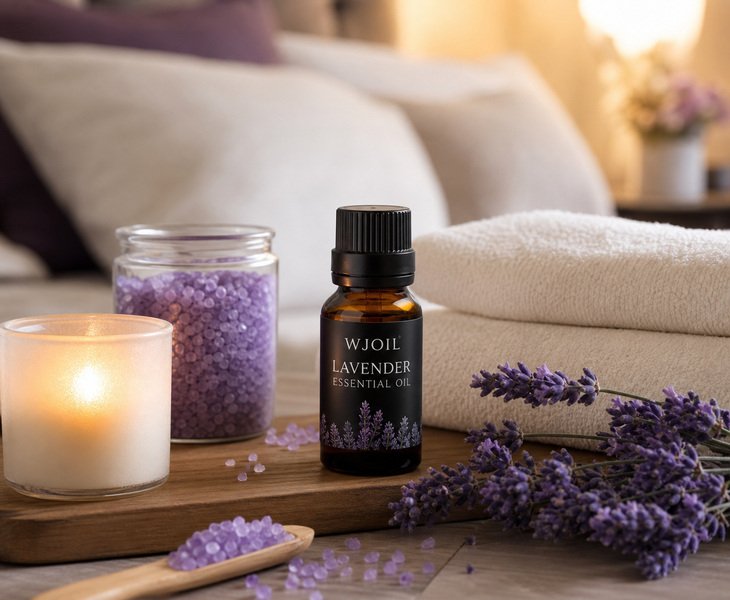
WJOIL lavender essential oil is not only an aroma base raw material and also has natural functionality. Its natural floral fragrance can provide you a calming and soothing effect, which are commonly used to develop relaxation SPA, bath, and sleep aid product lines. Meanwhile, It can naturally anti-inflammatory and soothe, improve damaged skin barrier, redness, dryness, itching or mosquito bites.
In addition, our lavender essential oil has good formula compatibility and can be used as the core base raw material in compound essential oil systems. It can form stable combinations with various plant essential oils to create more differentiated development space for your brand.
Why Choose WJOIL as Your Supplier for Lavender Essential Oil?
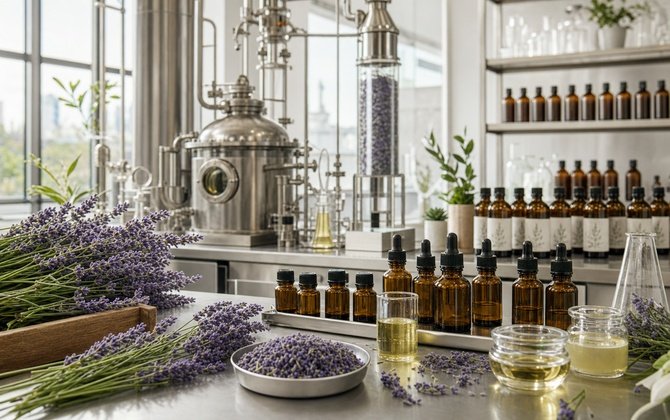
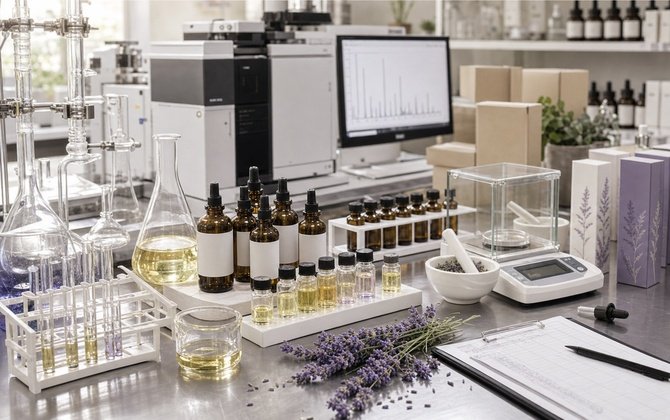
- We offer a full range of lavender essential oil products, including genuine lavender essential oil, lavender 40/42 essential oil, eye-catching lavender essential oil, and organic lavender essential oil.
- From raw material cultivation, harvesting, to distillation processing, every step is controllable. And each batch of products undergoes strict quality testing to provide consistent and stable components.
- We provide COA, MSDS, IFRA and other necessary export documents to help your products smoothly enter the international market.
- Whether it’s custom products for brand owners, OEM factory development of series products or long-term procurement by major customers, we can give you flexible production and delivery solutions.
Yes. but it is recommended for you to reasonably control the addition ratio based on the specific product type, target consumer group, and regulatory requirements. Compared to plant essential oils with stronger irritancy such as tea tree, cinnamon, cloves, and mint, our lavender essential oil shows a higher overall mildness.
However, it should be noted that lavender essential oil is still essentially a natural high-concentration plant extract. As the product storage time increases, its natural components may oxidize in the air, which increases the risk of irritation or allergic reactions in some sensitive individuals. So if you plan to develop products for sensitive skin care, maternal and infant care, or high-end repair series, it is necessary to conduct stability tests, skin irritation tests and human patch tests during the product development stage.
Under standard storage conditions, our lavender essential oil has a shelf life of 24–36 months. The natural aromatic molecules in lavender essential oil gradually undergo oxidation due to exposure to light, air contact, and high-temperature environments. This causes their fragrance to fade, the active ingredients to diminish and may even result in a change in odour.
It is a common approach to store the lavender essential oils in a cool, dry place at a temperature of 10–25℃ and avoid air contact to prevent oxidation. For long-term purchasing customers, we also suggest adopting an advanced-first-out inventory management method and arranging purchase cycles based on actual production plans to ensure that your products are always in the best condition for use.
It may, but the impact is usually minor. Our natural lavender essential oil is generally in a colorless to light yellow transparent state. However, due to differences in origin, variety, harvest season, and distillation process, there may be slight color variations among different batches. This is a normal phenomenon.
For products with a high tolerance for color, such as lotions, creams, body care oils, it usually does not have a significant impact. Changes in the colour of raw materials may affect the appearance of the final product, like clear serums, clear shampoos, clear gels, roll-on essential oils and light-coloured perfumes.
So you should conduct small sample tests and accelerate stability tests in advance, and at the same time evaluate the impact of the essential oil addition ratio on the product color, transparency, and long-term storage stability.
Lavender essential oil is typically classified as a middle note essential oil.
In a compound system, the middle note plays a crucial role in connecting the top note and the base note. Compared to top notes such as lemon, sweet orange, and grapefruit, which evaporate more quickly, the lavender essential oils offer a longer scent for you. While, compared to base notes such as sandalwood, cedarwood, and patchouli, its smell is more light and gentle.
So our lavender essential oils can effectively balance the entire fragrance structure, making your product smell more natural, complete and with a depth sense.
What is Lavender Essential Oil?
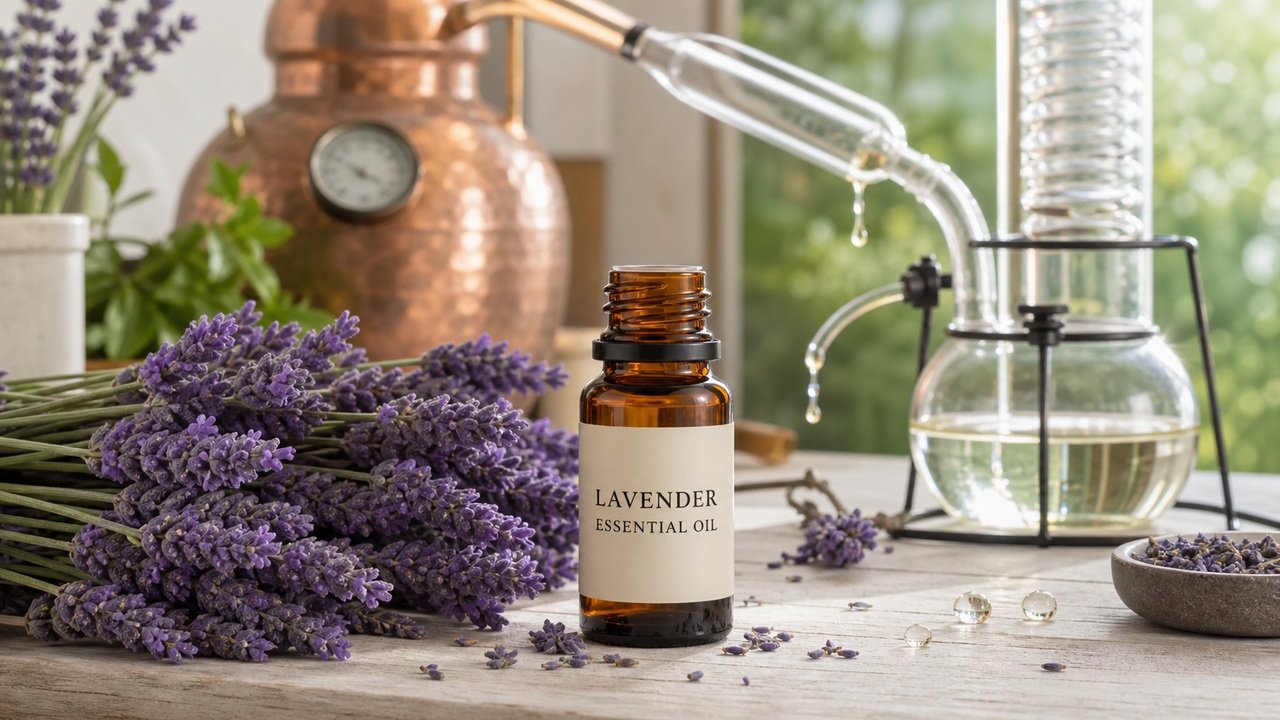
Recommended Dosage of Lavender Essential Oil
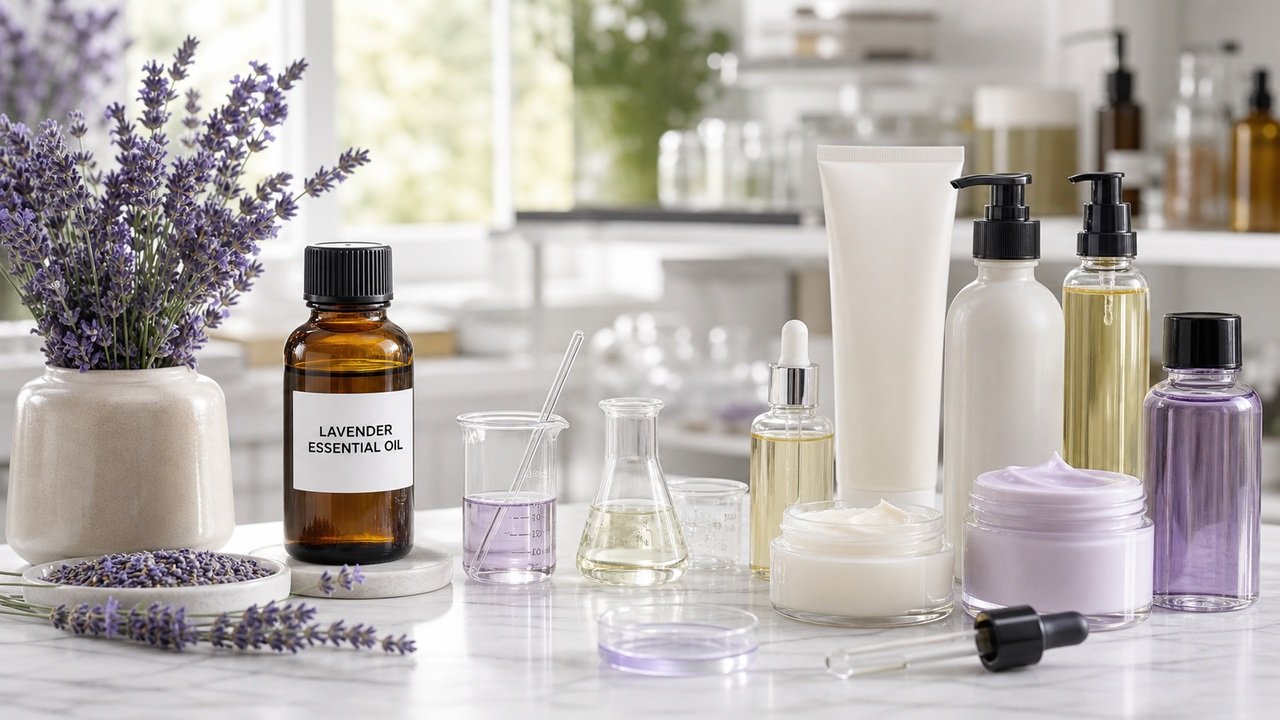
Common Blends for Lavender Essential Oil
Our lavender essential oil has an extremely strong compatibility ability and can form stable combinations with almost all citrus, floral, woody, and herbal essential oils. So it is also one of the most common core raw materials in the developing compound essential oils.
Lavender + Bergamot
The combination of lavender and bergamot has long occupied an important position in the emotional care and stress relief market. The bergamot has a bright citrus fragrance that can enhance the aroma vitality, while lavender provides you with a soft and comfortable floral base note. This combination takes into account both relaxation and pleasure. It has long-term stable consumer demand in the European and American markets and is often used in sleep care, SPA care, and aromatherapy products.
Lavender + Chamomile
Lavender and chamomile essential oils are a classic combination for sensitive skin care and soothing repair products. Both have high market recognition and are suitable for body care oils, facial care products, and sleep series development, especially popular in natural skincare and Wellness markets.
Lavender + Sweet Orange
Lavender and sweet orange are highly accepted commercial formulas. Sweet orange can give the product a warm and pleasant fruity aroma, while lavender enhances the overall aroma layering, making your product both approachable and sophisticated. It is particularly suitable for household care products, aromatherapy candles, diffusers, and gift market development.
Lavender + Peppermint
Peppermint brings a distinct coolness and vitality experience, while our lavender essential oil can balance the peppermint’s stimulating effect, allowing its usage to feel more comfortable. It is more often adopted in scalp care, post-workout recovery care, and body care product development.
If you have a clear target consumer group, or product positioning, we can also give you personal lavender essential oil blending solutions and OEM/ODM development suggestions.
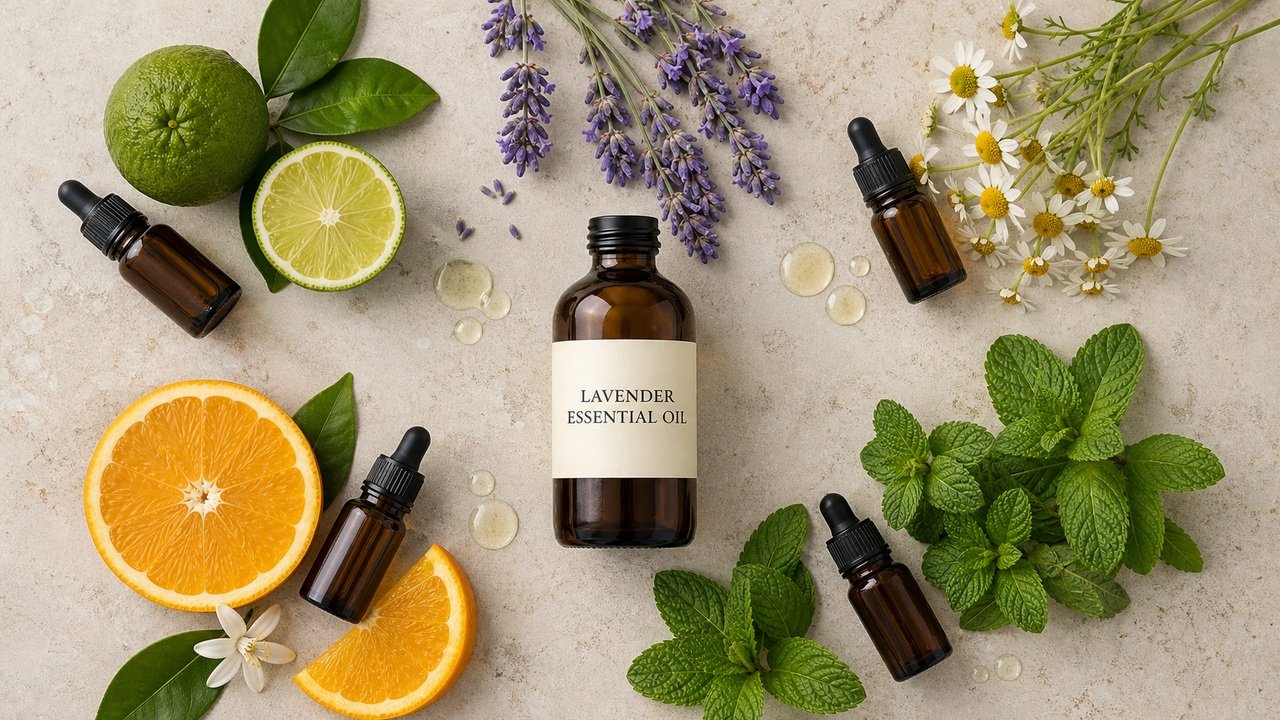
How to Determine the Lavender Essential Oils’ Quality?
Appearance
Our natural lavender essential oil is usually a colorless to pale yellow transparent liquid. The oil is clear without any obvious impurities, suspended matter, turbidity or sediment. Although color is not the sole criterion for judging the quality, the state of the oil can still reflect the quality of the raw materials, the distillation process, and the later storage conditions to some extent.
If the lavender essential oil shows obvious impurities, abnormally deep color, turbidity or an increase in sediment, it often indicates that the raw materials’ purity is insufficient, oxidation and deterioration have occurred, or there are problems with production control.
Smell
High-quality lavender essential oil usually has a natural and gentle floral aroma with rich and balanced fragrance layers. The top note has a fresh herbal floral scent, while the middle and base notes gradually present a soft, warm sweet fragrance. It smells comfortable and natural, without any pungent, chemical, or rancid odors.
Core Component Analysis
The GC-MS component analysis data is one of the most important bases to judge the lavender essential oil quality. High-quality lavender essential oil usually maintains a relatively reasonable and stable ratio of active ingredients.
Linalool (Linalool): 33%–42%, linalyl acetate (Linalyl Acetate): 24%–33%.
At the same time, high-quality lavender essential oil should not contain mineral oil, synthetic fragrances or other dilution components.
Inspection Document
During actual procurement, it is suggested for you to focus on verifying whether the supplier can provide a complete GC-MS component analysis report, COA quality inspection report, MSDS safety data, and batch traceability documents. Through the inspection data, you can confirm whether key active components such as linalool and linalyl acetate comply with industry standards and verify whether the product contains mineral oil dilution, artificial fragrance addition, or other situations that may affect quality and compliance as well.